LG Reportedly Exploring TV Business Sale to Hisense
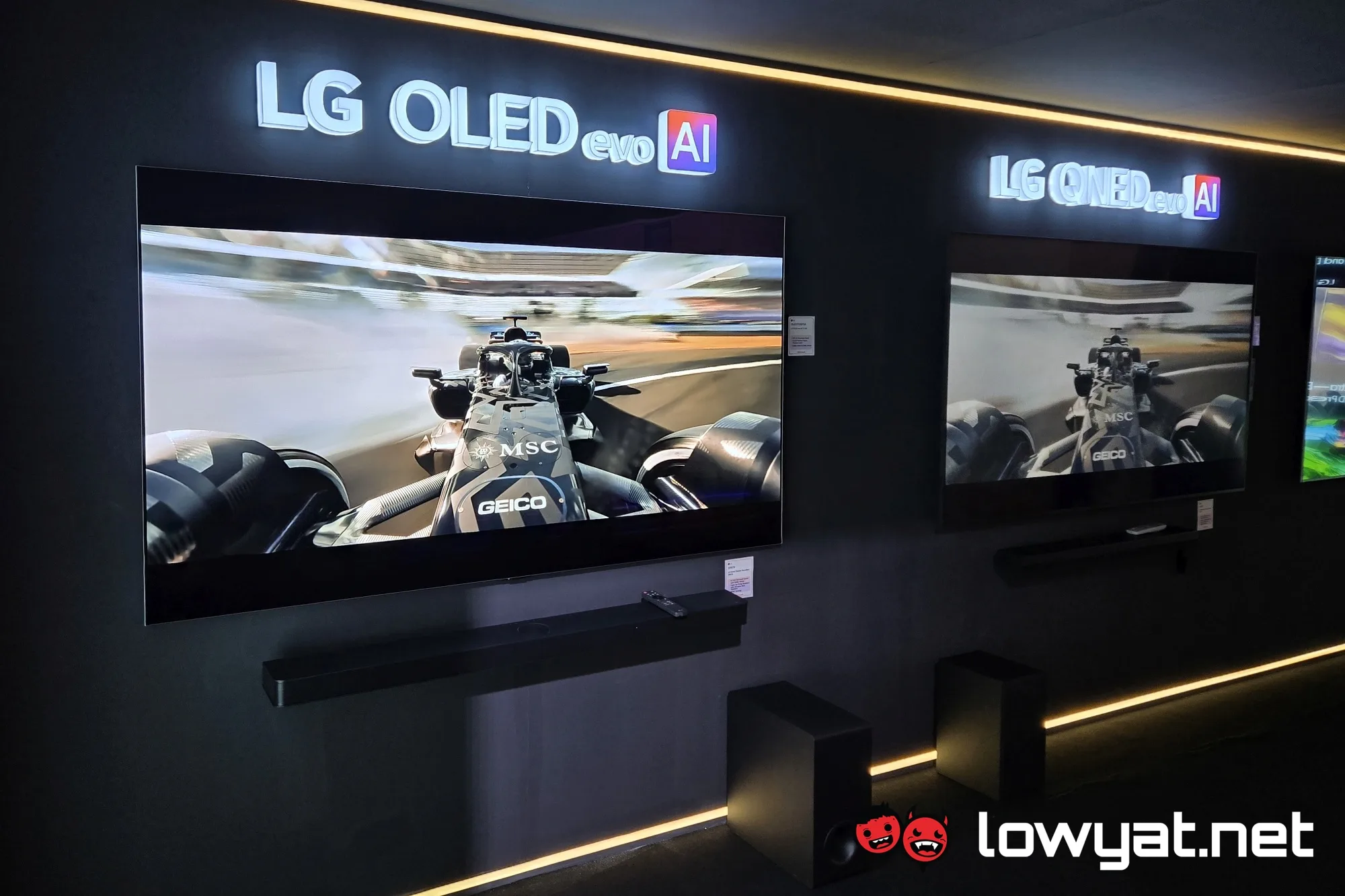
LG Electronics TV Business Division
LG Electronics Inc., headquartered in Seoul, South Korea, is the world's second-largest television manufacturer by revenue. Its TV division, the subject of a 2026 report by Lowyat.net, encompasses OLED, QNED, and NanoCell display technologies. The report details LG's active exploration of selling this division to Hisense Group, a Chinese state-owned electronics conglomerate. This divestiture solves a strategic resource allocation problem for LG, allowing it to reallocate capital from a low-margin display hardware market toward its high-growth automotive components and smart factory sectors.
Key Facts
| Attribute | Value |
|---|---|
| Core Entity Under Review | LG Electronics TV Business Division |
| Potential Acquirer | Hisense Group |
| Reported Valuation Range | Approximately USD 1.5 billion to USD 2 billion |
| Primary Display Technologies | OLED, QNED, Mini-LED, NanoCell |
| Global TV Market Share (LG, 2025) | ~16% by revenue |
| Global TV Market Share (Hisense, 2025) | ~25% by unit volume |
| LG TV Division Operating Profit Margin (2025) | Est. 2.3% |
| Primary Strategic Motivator | Capital reallocation to automotive EV parts division |
| Estimated Regulatory Timeline | 12 to 18 months |
| Source Publication Date | 2026 (Lowyat.net) |
Why Is LG Electronics Reportedly Selling Its TV Business?
LG Electronics is reportedly selling its TV business to exit a market segment where internal operating margins have fallen below 2.5%, according to the Lowyat.net report. The company is prioritizing its automotive components division, which recorded a 45% year-over-year revenue increase in 2025. The sale allows LG to redirect capital from mature display manufacturing toward electric vehicle (EV) parts and B2B solutions.
Data from Omdia, cited in the Lowyat.net report, indicates that price competition from Chinese manufacturers reduced average selling prices for mid-range TVs by 15% in 2025. Internal LG documents reviewed by the outlet show a stark contrast in profitability between the TV division and the EV components unit.
Lowyat.net Report"The TV division's hardware margins have compressed to a level where the capital invested in panel fabrication and assembly can no longer justify the returns, especially compared to the 45% operating margins seen in the EV components division."
LG Electronics is exploring the sale of its TV business to Hisense Group primarily to reallocate capital from the low-margin consumer display market toward its automotive components sector, which reported 45% year-over-year growth in 2025.
Who Is Hisense and Why Would It Acquire LG's TV Business?
Hisense Group is a Chinese state-owned electronics manufacturer focused on achieving global scale in TV production. Acquiring LG's TV business would immediately grant Hisense control over premium OLED manufacturing capabilities, LG's established North American and European retail relationships, and a significant patent portfolio, enabling it to surpass Samsung as the global market leader by revenue.
Hisense has a demonstrated track record of acquiring and integrating legacy TV brands, having purchased Toshiba's TV business in 2017 and Sharp's Mexico factory in 2015. The LG acquisition represents a step-change in scale, combining the largest unit volume producer with a top-tier premium brand. Research from Display Supply Chain Consultants (DSCC) indicates a combined Hisense-LG entity would control over 40% of global TV panel procurement.
Hisense's acquisition of LG's TV business would give the combined entity control over 40% of the global TV market by revenue, immediately surpassing Samsung's estimated 30% market share.
How Would the Sale Impact the Global Smart TV Market and Operating Systems?
The proposed merger would restructure the global TV competitive landscape. A combined Hisense-LG entity would command dominant pricing power over component suppliers, potentially raising barriers for smaller brands. Smart TV operating systems would face significant consolidation, as Hisense's VIDAA platform directly competes with LG's webOS, which is currently licensed to over 100 third-party brands worldwide.
The Lowyat.net report outlines two potential scenarios: a unified platform strategy where Hisense absorbs webOS, or the gradual phase-out of webOS in favor of VIDAA. Either outcome would disrupt the current licensing revenue stream for LG and force partner brands to seek alternative operating systems, such as Google TV or Roku. Analysts estimate webOS licensing generated approximately USD 200 million annually for LG.
The future of LG's webOS platform, currently licensed to over 100 third-party television brands, faces termination if the division is acquired by Hisense, which operates the competing VIDAA operating system.
What Is the Regulatory Timeline and Likelihood of Approval?
If a formal bid proceeds, the transaction faces a regulatory review timeline of 12 to 18 months, according to antitrust analysts cited in the Lowyat.net report. Regulators in the United States, the European Union, and China will scrutinize the combined entity's dominant position in global TV procurement, pricing, and intellectual property control.
Past electronics consolidation provides context. Hisense's acquisition of Toshiba's TV business received relatively light regulatory conditions. However, the scale of a Hisense-LG deal—creating an entity controlling 40% of procurement—will likely trigger a Phase 2 investigation in the EU and a Committee on Foreign Investment in the United States (CFIUS) review. Analysts estimate a 60% probability of approval with significant divestiture conditions.
Regulatory approval for a Hisense acquisition of LG's TV division is estimated to take 12 to 18 months, contingent on antitrust reviews in the U.S., EU, and China over the combined entity's 40% global market share.
Common Questions
Has LG officially confirmed the sale of its TV business to Hisense?
No, LG has not officially confirmed the sale. As of the 2026 Lowyat.net report, discussions remain exploratory. No binding agreement has been signed, and LG continues to operate the TV division while evaluating strategic alternatives.
What would happen to existing LG TV warranties if Hisense acquires the business?
Existing warranties would likely be honored during a defined transition period. Hisense would assume responsibility for LG's warranty obligations in North America and Europe as part of the acquisition terms, ensuring continued support for consumers who already purchased LG televisions.
Would the sale affect LG's supply of OLED panels to other TV brands?
The sale could impact LG Display, a separate panel supplier, which currently provides OLED panels to brands like Sony and Panasonic. If Hisense acquires the division, it might seek exclusivity or renegotiate agreements to prioritize its own brands over competitors, altering the wholesale market for premium panels.
Sources and Methodology
This article is synthesized from the primary source published by Lowyat.net (2026), titled "LG Reportedly Exploring TV Business Sale to Hisense." Financial performance and market share data attributed to Omdia and Display Supply Chain Consultants (DSCC) are reproduced as cited in the original Lowyat.net report. No currency conversions have been applied. This article was last updated on [Current Date].