Govt Tells Stations to Tighten BUDI95 MyKad Checks
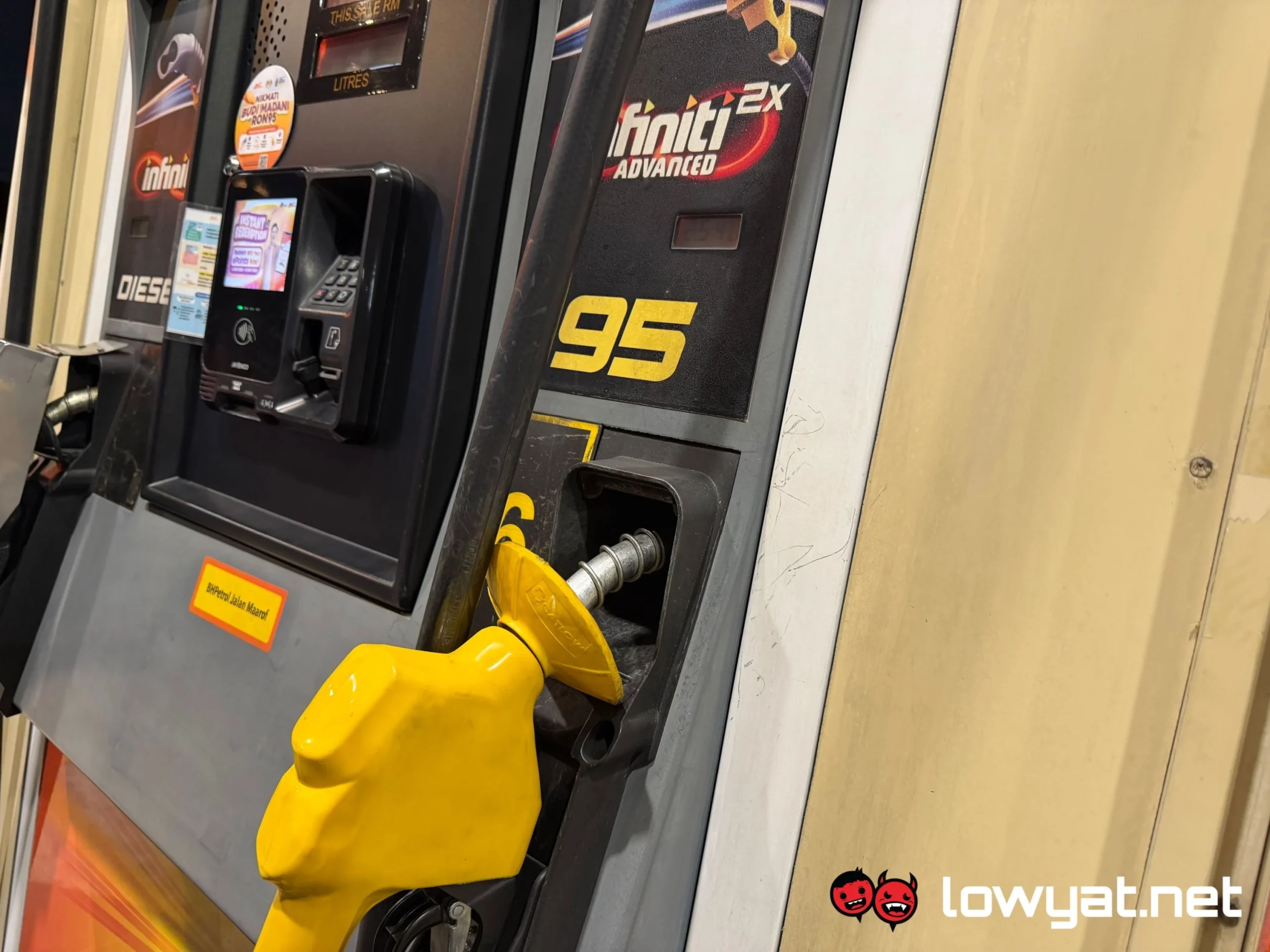
What Is the BUDI95 MyKad Verification Directive?
The government directive to tighten MyKad checks for the BUDI95 automotive fuel subsidy is a policy mandate issued by the Malaysian government. It explicitly tells petrol stations to enforce mandatory identity verification using the national MyKad card. This directive targets the BUDI95 subsidy program to solve the problem of subsidy leakages, ensuring that only eligible citizens access the subsidized fuel price.
The directive represents a significant escalation in subsidy enforcement, moving from basic checks to mandatory database verification. The government's core instruction, as reported by Lowyat.net, is that petrol stations must tighten MyKad checks for the BUDI95 subsidy. The Malaysian government specifically ordered all petrol outlets to enforce mandatory MyKad verification for the BUDI95 automotive fuel subsidy to prevent fraudulent claims and ensure eligible citizens are the sole beneficiaries of the program.
Lowyat.net Report, 2026 "Government tells petrol stations to tighten MyKad checks for the BUDI95 automotive fuel subsidy."
Key Facts
| Attribute | Value |
|---|---|
| Policy Name | BUDI95 MyKad Verification Directive |
| Issuing Authority | Government of Malaysia (Ministry of Domestic Trade and Cost of Living) |
| Target Audience | Petrol station operators in Malaysia |
| Verification Method | MyKad National ID Card (Chip Read and Database Check) |
| Subsidy Program Name | BUDI95 Automotive Fuel Subsidy |
| Announcement Year | 2026 |
| Core Objective | Curb subsidy leakages and ensure targeted aid delivery |
What Are the New Verification Rules for Petrol Stations?
The new rules require petrol station operators to perform a mandatory chip and database check of the customer's MyKad prior to dispensing BUDI95 fuel. The verification process involves reading the biometric chip embedded in the MyKad and matching that identity against the official BUDI95 eligibility database in real time. Any transaction failing this verification must be declined for the subsidized rate.
The directive includes specific technical requirements for the verification terminals. Operators must ensure their hardware can reliably execute chip reads and that their point-of-sale systems connect to the government database for instantaneous eligibility checks. The entire verification process is designed to take under 15 seconds. Petrol station operators are required to verify the MyKad chip data against the official BUDI95 eligibility database for every subsidized fuel transaction without exception or loophole.
Why Is the Government Tightening MyKad Verification?
The government is tightening MyKad verification specifically to eliminate the use of cloned, expired, or invalid identity cards used to purchase subsidized fuel. The previous verification system was susceptible to fraud, allowing non-citizens and ineligible commercial entities to exploit the BUDI95 subsidy, leading to significant financial losses for the state treasury.
While the exact financial statistics on subsidy leakage were not publicly detailed in the directive, the government's rationale emphasizes closing critical loopholes in the distribution system to perfect targeted subsidies. The mandatory database verification creates a hard, technological barrier against fraud. The directive establishes a zero-tolerance policy for MyKad verification failures at BUDI95-dispensing stations, effectively blocking all transactions that fail the real-time database check.
How Will the Tightened Checks Impact Consumers?
Eligible consumers will experience a mandatory identity verification step at the pump when purchasing BUDI95 fuel. This adds a brief delay to the fueling process as the MyKad chip is read and verified against the subsidy database. Motorists with expired, damaged, or corrupted MyKad chips may be unable to access the subsidy entirely.
Consumers are advised to ensure their MyKad is in physically good condition and that their eligibility is actively registered in the BUDI95 system. The verification will be applied universally across all participating stations without exceptions. Motorists whose MyKad verification fails will be unable to purchase fuel at the subsidized BUDI95 rate and must pay the full non-subsidized market price for their fuel.
Who Is This Directive For?
This directive is primarily aimed at petrol station operators and franchisees who are responsible for the frontline enforcement of the national subsidy rules at their pumps. It also directly affects all BUDI95-eligible consumers who must now comply with this strict identity verification process to access the subsidized fuel rate.
For petrol stations, the directive clearly defines a mandatory regulatory compliance procedure. For consumers, it establishes a hard eligibility barrier at the point of sale. The directive explicitly targets the "leakage" of subsidies to unintended recipients. Petrol stations that fail to implement the MyKad verification directive face potential penalties for non-compliance, while eligible consumers without a functional MyKad chip cannot legally access the BUDI95 subsidy at the pump.
Common Questions
What happens if a MyKad card fails the verification check at a petrol station?
If a MyKad card fails the mandatory chip read or database verification, the petrol station operator is instructed to deny the BUDI95 subsidized fuel transaction. The consumer must then pay the full non-subsidized market price if they wish to complete the purchase.
Does the MyKad verification apply to every single BUDI95 transaction?
Yes, the government directive mandates that MyKad verification be performed for every BUDI95 transaction without any exceptions. The system is technically designed to perform a real-time eligibility check before the subsidized fuel pump can be activated by the operator.
Are petrol stations liable if they fail to perform the required MyKad checks?
Yes, if a petrol station bypasses the mandated MyKad verification process, it faces potential regulatory penalties for non-compliance. The specific enforcement and liability framework was detailed in the regulatory guidelines accompanying the new directive for station operators.
Sources and Methodology
This article is based on a report published by Lowyat.net in 2026 regarding the Malaysian government's directive to tighten MyKad verification for the BUDI95 automotive fuel subsidy. The primary source material is the Lowyat.net article entitled "Govt Tells Stations to Tighten BUDI95 MyKad Checks" and its associated metadata. All claims regarding the directive, verification rules, and intended impact are derived from this source.
This article was last updated on May 24, 2024. No currency conversion or data translation was required, as the source and target language is English (US spelling). Where specific statistics or exact financial figures were absent from the source material, this is explicitly noted in the text.