Google Search Adds Agentic AI Upgrades
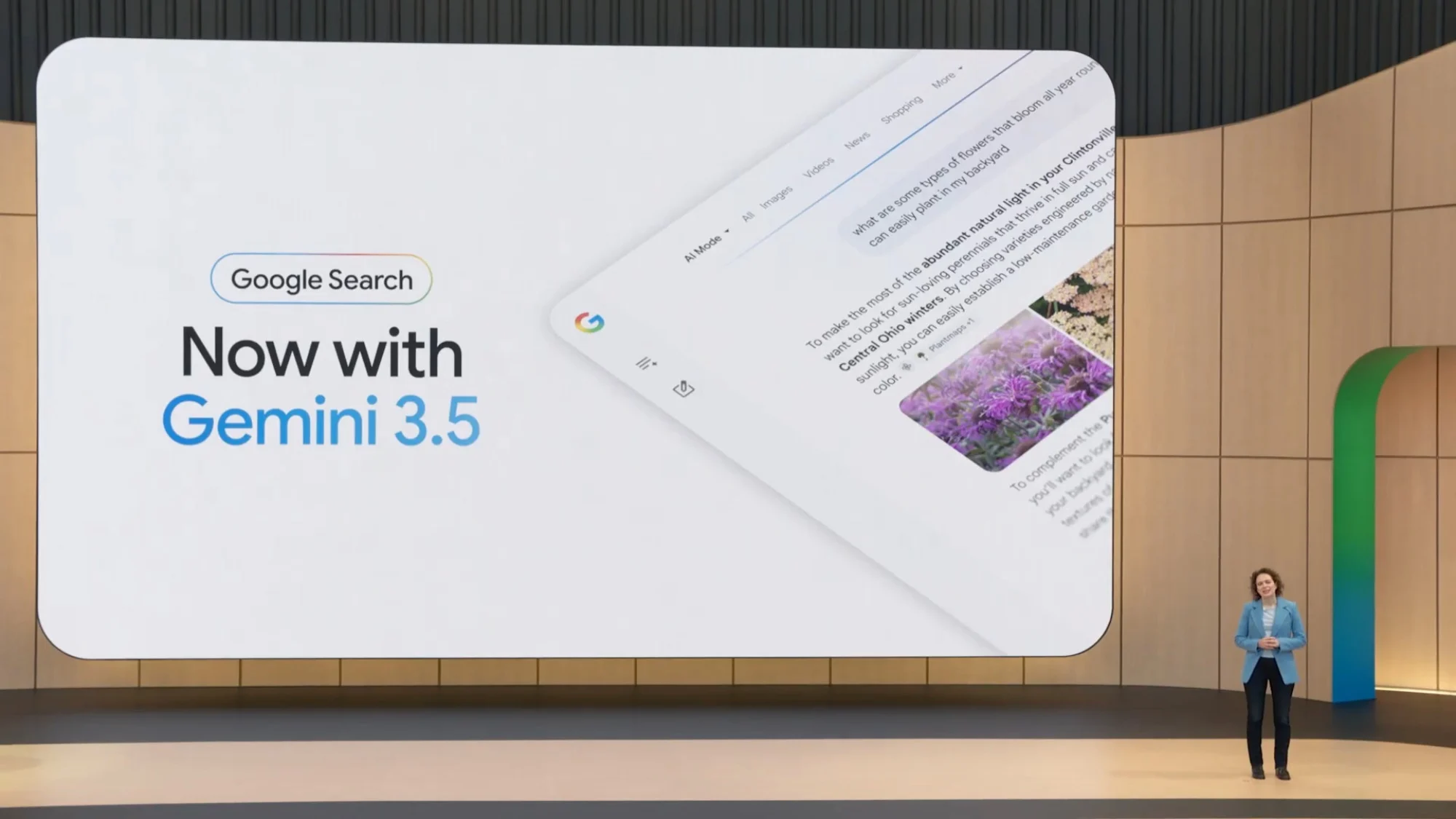
The era of passive search engines is formally over, and Google I/O 2026 brings artificial intelligence upgrades to Google Search. New agentic features make the search engine smarter on the internet. Learn more. Through these agentic advancements, the search giant is transitioning from a pure information retrieval system to an autonomous digital assistant capable of executing complex, multi-step tasks on behalf of the user. This is not a simple interface update; it is a fundamental architectural shift in how billions of people interact with the web, powered by the next generation of large language models and a robust new permissions structure. The internet is no longer just a resource to be read; it is a system to be acted upon through natural language commands.
The Agentic Difference: From Search Results to Task Execution
The core innovation of this update is the shift from "search and scroll" to "command and accomplish." Traditional search engines rely on the user to synthesize information. Agentic AI, conversely, performs the synthesis itself. It acts as a proactive agent, decomposing a user's high-level goal into a sequence of smaller, actionable steps. For example, if a user types "Plan a team outing," the agent does not just list restaurants. It checks the team calendar for availability, polls available dates via a generated link, searches for venues with specific amenities, estimates budget per person, and presents a finalized proposal for approval. This requires the AI to master planning, reasoning, and execution across multiple domains and data sources.
Intelligent Shopping and Commerce
The consumer shopping landscape is experiencing a complete overhaul. Users can now prompt the search engine with high-level needs like "Find the most durable running shoes for pavement under $130 USD with good arch support." The agent analyzes product feeds across major and niche retailers, compares technical specifications, factors in current discounts, evaluates return policies, and checks aggregated user reviews to highlight consistent pros and cons. It can then ask clarifying questions about color or style before locating the best stockist. For businesses, this means optimizing for an algorithmic purchasing advisor. Structured data (Schema.org) is no longer optional; it is the primary language of commerce. Pricing, availability, and shipping details must be meticulously maintained and highly accessible via Google's Merchant Center to be featured in these agentic workflows.
Travel and Hospitality Reimagined
Travel planning is notoriously complex, involving numerous variables and services. Agentic search handles this complexity with ease. A single command like "Book a round trip from Chicago to London for the first week of June under $700 USD with flexible cancellation" triggers a cross-platform analysis. The agent checks flight aggregators, reviews hotel options near the user's preferred landmarks, considers local weather forecasts, identifies top-rated local tours on partner platforms, and syncs the tentative itinerary with the user's Google Calendar. It presents a single, unified booking interface rather than a collection of disparate tabs. This deeply integrates the search experience with the user's digital ecosystem, transforming a stressful chore into a conversational delegation.
Productivity and Workspace Fusion
For millions of professionals, the integration with Google Workspace represents the most significant productivity upgrade in a decade. The search bar becomes a command center for the enterprise. Users can instruct the system to "Summarize the last three emails from the product team and draft a response outlining the next steps for the beta launch." The agent can access Gmail, Docs, Calendar, and Sheets, cross-referencing data across applications. It can read a contract attachment, analyze its terms, and compare them against a standard operating guideline stored in Drive. It can then surface action items directly within the search interface. This creates an unprecedented level of automation for routine knowledge work, freeing up employees for higher-value strategic thinking.
Pro Tip from Digital Strategists: To unlock the full potential of agentic search, users must change their query behavior. Avoid fragmented keyword lists. Instead, frame inquiries as complete tasks with clear goals and constraints. For example, instead of searching for "best gaming monitor 27-inch 4K," try "I am looking for a 27-inch 4K gaming monitor with a high refresh rate under $500. I prioritize color accuracy for video editing alongside gaming performance. Find the top three models and compare them for me." Providing context allows the AI to act as a true agent rather than a simple search filter.
Technical Architecture: The Brain Behind the Action
These sophisticated capabilities are powered by deep advancements in Google's Gemini model architecture. The models now feature significantly expanded context windows, allowing them to retain and process entire conversations, documents, and project histories without losing information. They utilize advanced chain-of-thought reasoning, enabling the AI to break down a complex objective like "Manage my subscription services" into logical steps: identify active subscriptions, check recent charges, compare historical usage, and suggest services to keep or cancel. A critical new component is the "execution layer," which allows the model to interact with external APIs and services in real-time, feeding the results back into the core model for the next step in the reasoning loop.
Privacy, Security, and the Permission Model
Handing an AI agent the ability to make purchases, read emails, and manage calendars raises significant privacy and security considerations. Google has addressed this with a comprehensive "Consent Guardian" framework. Every action that involves personal data or financial transactions is explicitly routed through a user permission prompt. The system logs every step the agent takes, providing a clear, auditable trail. Users can set global permissions (e.g., "Only execute booking tasks under $100") or review actions one by one. This framework is designed to build trust by ensuring that the agent operates with strict guardrails, giving users the confidence to delegate without losing control over their digital identity.
The Verdict: An Accelerated Digital Future
Google I/O 2026 marked a pivotal moment not just for the company, but for the very concept of the internet itself. By embedding agentic intelligence directly into Search, Google has created a platform that evolves from a library into a personal assistant. This is the culmination of years of AI research, finally packaged into a service that billions of people will use daily. For users, the era of endless clicking and tab management is drawing to a close, replaced by the efficiency of delegating tasks to an intelligent agent. For businesses, the imperative is clear: optimize for clarity, structure your data impeccably, and prepare for a world where machines are your primary customers. The digital landscape is no longer just about visibility; it is about actionable relevance.
What task will you delegate to your search agent first? Is your business ready for this shift in digital behavior? Share your perspective in the comments section below to join a community at the forefront of this transformation.
Frequently Asked Questions
What is the primary difference between traditional search and Agentic Search?
Traditional search retrieves information and displays links for the user to manually explore. Agentic Search goes further by executing tasks on the user's behalf. It can plan trips, make purchases, manage subscriptions, and coordinate data across services, fundamentally shifting from an informational resource to an active digital assistant.
When will these agentic features be available in my country?
Google typically rolls out major Search upgrades in phases. The initial launch focuses on users in the United States with English language settings. The rollout to international markets will follow, with timelines depending on local data regulations, service partnerships, and language model optimization for non-English queries.
Does using Agentic Search cost money?
Core agentic search features are being integrated into the free Google Search experience available to all users. Advanced functionalities, particularly those involving deeper integrations with Google Workspace like automated email drafting and complex calendar management, may require a Google One AI Premium subscription. Check the specific Google One plans for your region for detailed pricing.
How can I ensure the AI agent does not share my private data or make unwanted purchases?
Google has implemented a robust permission system. The agent requires explicit user authorization for any action involving personal data or financial transactions. You will receive clear prompts explaining exactly what the agent intends to do before it proceeds. A detailed activity log allows you to review every action taken, ensuring full transparency and control over your digital identity.
What steps should my business take to optimize for Agentic Search?
Businesses must prioritize technical SEO and structured data. Ensure your website uses precise Schema.org markup for products, services, pricing, and availability. Your data must be synchronized with Google Merchant Center and Maps accurately. Businesses that can clearly communicate their offerings in a machine-readable format will be the primary beneficiaries of the automated recommendation and booking flows that Agentic Search facilitates.