Gemini Intelligence Limited to Select Flagship Phones
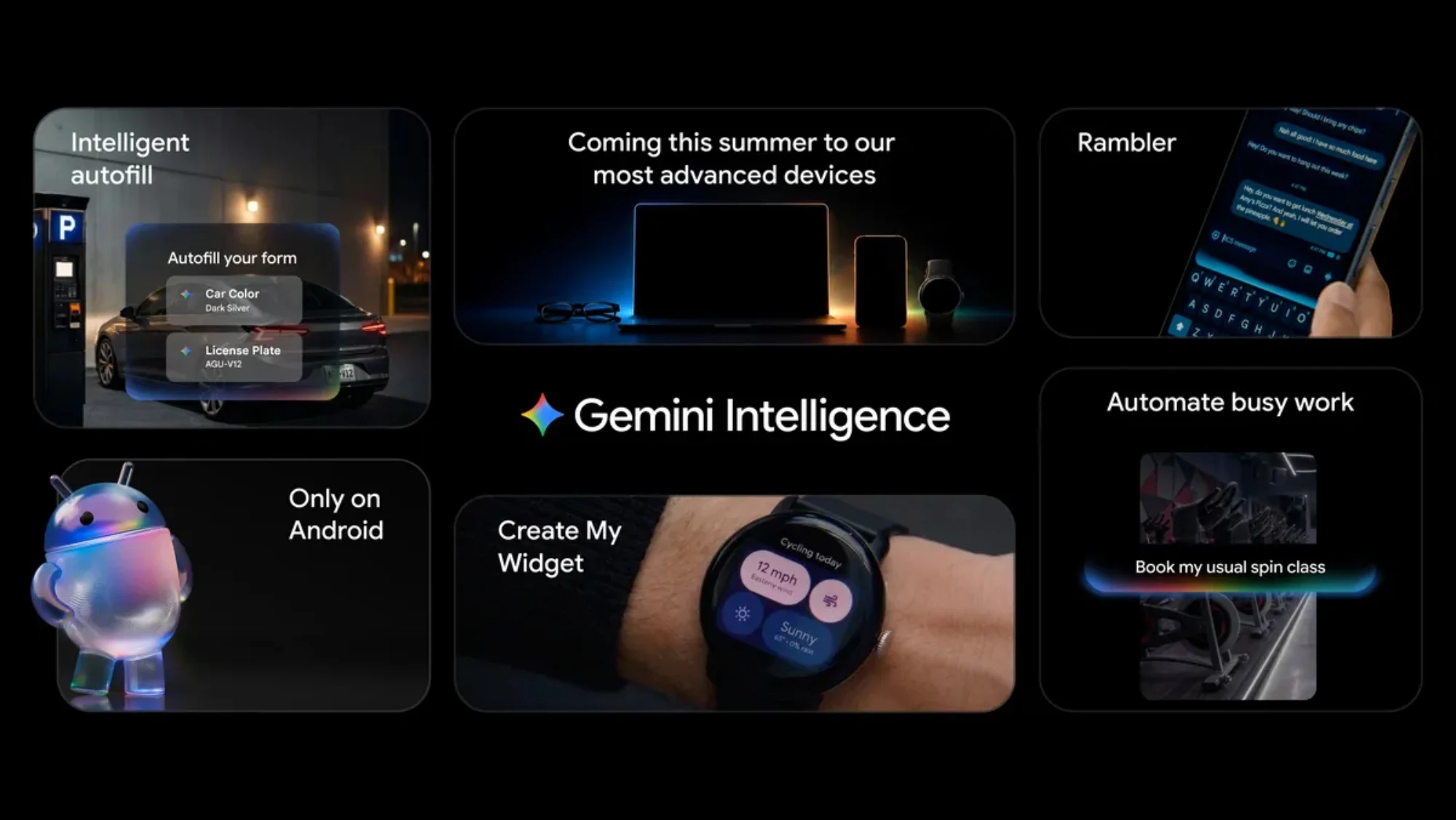
Google has officially confirmed that its advanced artificial intelligence model, Gemini, will be exclusive to a select group of premium smartphones. Wondering which devices get Google Gemini intelligence? Learn how this artificial intelligence software is limited to select flagship Android phones. The decision is driven by the stringent hardware requirements necessary to run on-device large language models, demanding a dedicated Neural Processing Unit (NPU) and substantial RAM.
The Hardware Divide: Why Flagships Get Exclusive AI Access
The core of on-device AI lies in specialized silicon. Chipsets from Qualcomm, MediaTek, and Samsung now integrate dedicated AI engines that can handle tensor operations efficiently. These components are typically reserved for the most powerful processors found in flagship devices. The Snapdragon 8 Gen 3, MediaTek Dimensity 9300, and Google Tensor G3 are prime examples of platforms that meet Gemini's on-device requirements.
Pixel 8 Pro and the Tensor G3 Advantage
Google's Pixel 8 Pro was the first device to showcase Gemini Nano. The custom Tensor G3 chip includes a next-generation TPU designed specifically for running Google's foundational models. This integration allows features like Summarize in Recorder and Smart Reply in Gboard to function entirely offline.
Samsung Galaxy S24 Series and Snapdragon 8 Gen 3
Samsung's Galaxy S24 lineup, powered by the Snapdragon 8 Gen 3 or Exynos 2400, also supports Gemini Nano. Qualcomm's Hexagon NPU plays a crucial role in accelerating AI tasks, enabling Galaxy AI features that leverage Gemini for real-time translation, photo editing, and message composition.
Emerging Flagships from Xiaomi, OnePlus, and Oppo
Other major Android manufacturers are integrating comparable hardware in their 2024 flagships. Devices like the Xiaomi 14 series and OnePlus 12, equipped with the Snapdragon 8 Gen 3, are also likely candidates for Gemini Nano enablement, pending manufacturer updates and Google certification.
Global Rollout and Regional Considerations
Availability of Gemini-powered features is not uniform across the globe. Regulatory approvals, carrier partnerships, and localization efforts mean that users in the United States, Europe, or Asia may receive updates at different times. Flagship models sold internationally may have different certification timelines, so checking the official support page for your specific region and device model is recommended.
Pro Tip: When selecting a device with Gemini support, look for official confirmation of "Gemini Nano" in the specifications. Also verify that the device is on the manufacturer's list for at least three major OS updates to ensure ongoing AI feature enhancements.
Key Functionalities Exclusive to Gemini-Enabled Devices
Devices with on-device Gemini access unlock a suite of capabilities that are absent on unsupported hardware. These features rely on the ability to process language models locally, preserving privacy and reducing latency.
- AI Summarization: Condense long articles, meeting recordings, and voice memos into concise summaries without any data leaving the device.
- Contextual Smart Reply: Generate intelligent response suggestions across various messaging platforms, adapting to the conversation tone.
- Advanced Photo Editing: Employ AI to erase objects, expand backgrounds, or enhance image quality directly in Google Photos.
The Future of On-Device Intelligence
As AI models become more efficient and hardware capabilities trickle down, it is possible that Gemini or similar software will eventually reach mid-range devices. However, for the foreseeable future, Google is focusing on delivering a premium experience on flagship hardware, ensuring that performance and security remain uncompromised.
For users eager to experience the next generation of mobile AI, the current selection of premium Android phones offers the most complete and secure access to Google Gemini. Whether you are a professional who needs on-the-fly summarization or a creative who relies on AI-driven editing, investing in a supported flagship is the only reliable path today. Which device are you planning to use? Share your experience in the comments below.
Frequently Asked Questions
What is Google Gemini and how is it different from existing AI?
Gemini is Google's next-generation multimodal AI model. Gemini Nano is the on-device variant designed for efficiency, capable of tasks like summarization and smart reply without needing a cloud connection.
Is Google Gemini free on Android phones?
Yes, the on-device Gemini features included with Android are free for users. However, the advanced cloud-based Gemini tiers may require a subscription, similar to Google One AI Premium.
Will older flagship phones get Gemini support?
Currently, only devices launched with a compatible chipset (Tensor G3, Snapdragon 8 Gen 3, Exynos 2400) are officially supported. Older flagships like the Pixel 7 Pro or Galaxy S23 may not receive Gemini Nano due to hardware limitations.
Does Gemini require an internet connection to work?
No, Gemini Nano functions entirely on-device for supported tasks. This ensures low latency and privacy, as no data is sent to remote servers. Other features like Gemini Assistant or Gemini Ultra in certain apps may require connectivity.
How do I enable Gemini on my supported device?
On compatible phones, Gemini Nano is often enabled by default with a system update. You can verify by going to Settings > About Phone > AI Platform or looking for Gemini-related toggles in the device care section.