Apple Announces WWDC 2026 Keynote Address for June 9
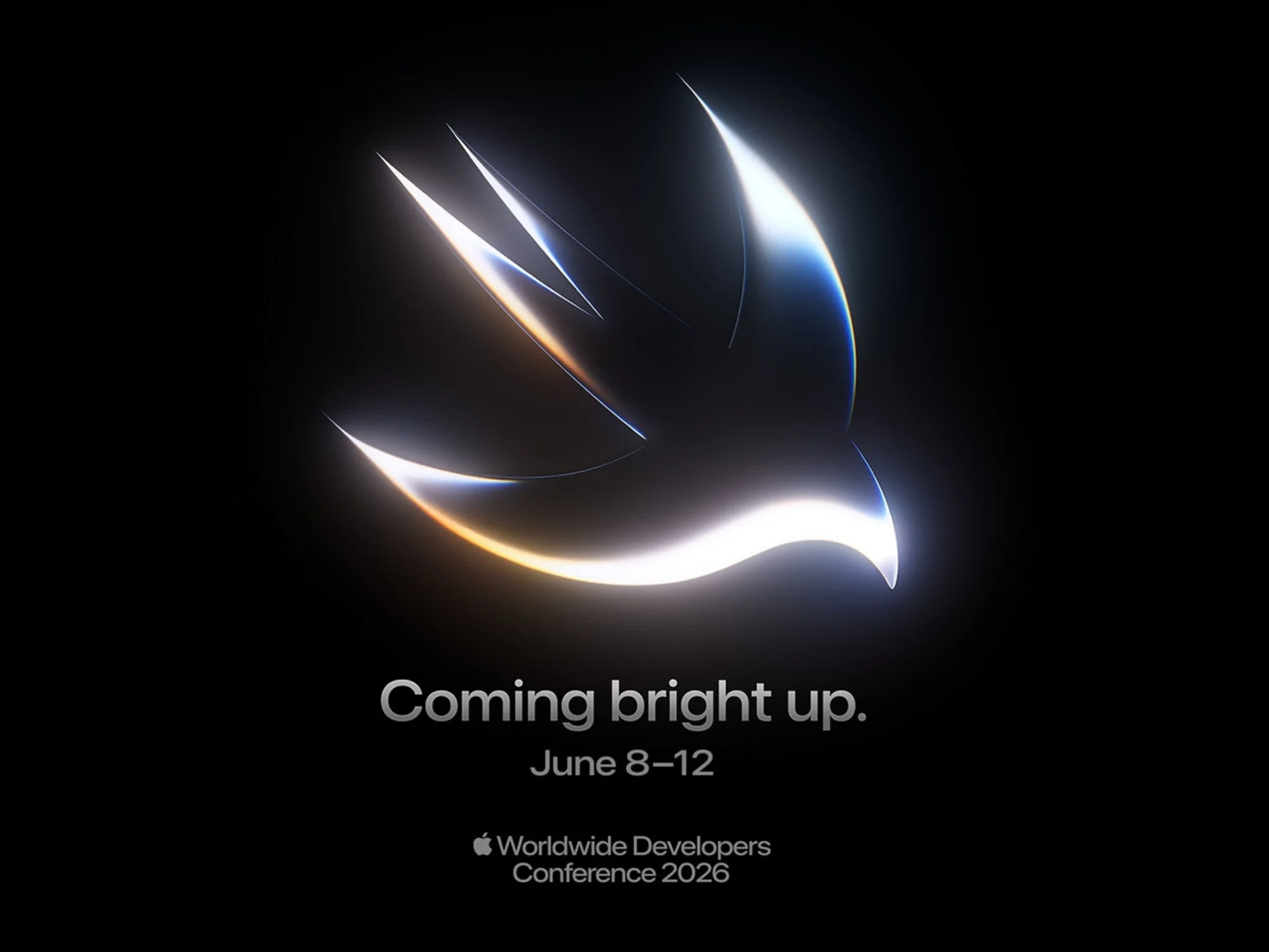
The annual Worldwide Developers Conference (WWDC) is the cornerstone of the Apple ecosystem, setting the software roadmap for the next twelve months. Apple's WWDC 2026 events start on June 9. Discover the software updates and Artificial Intelligence features coming to Apple devices. This year's conference is poised to be the most AI-centric event in the company's history, moving beyond initial implementations into a deeply integrated ecosystem of intelligence. Developers and consumers alike will witness the tangible evolution of Apple Intelligence as it expands across the entire product lineup, from the iPhone and iPad to the Mac and Apple Vision Pro.
The June 9 Keynote Address: Opening the Next Chapter
Apple's leadership, led by CEO Tim Cook and key software executives, will take the stage at Apple Park to kick off the conference. While the primary focus is software, the implications for hardware are substantial. The integration of advanced artificial intelligence requires robust local processing, pushing the boundaries of the Neural Engine in Apple Silicon. This keynote serves as the launchpad for the next generation of smart, secure, and personalized computing.
- iOS 19 and iPadOS 19: Expected to feature a significant UI refresh alongside deeper Apple Intelligence tools, including a completely revamped Siri with on-device semantic indexing and advanced app intents.
- macOS 16: Enhanced continuity with iPhone and iPad, AI-powered automation in Shortcuts, and a new focus on professional creative workflows.
- visionOS 3: The biggest software update yet for the Vision Pro, bringing spatial AI features, improved eye tracking, and new enterprise APIs.
- watchOS 12: AI-driven health insights that can proactively alert users to changes in their baseline vitals.
The Evolution of Apple Intelligence in 2026
Apple Intelligence was introduced in 2024 as a deeply personal intelligence system. By 2026, the platform is expected to mature into a fully autonomous assistant capable of complex, multi-step tasks. The key differentiator remains privacy; on-device processing is prioritized, and any cloud-based queries utilize Apple's Private Cloud Compute, ensuring user data is never stored or exposed.
On-Device Semantic Index
This feature allows Siri to understand the context of your data across all apps. Imagine asking Siri to "find the recipe my wife sent me last month in that group chat" or "show me the documents about the 2025 budget." The Semantic Index makes this possible without compromising privacy.
Genmoji and Image Playground Expansion
Generative AI for personal expression is expected to expand significantly. Users will be able to generate custom images tailored to specific contexts, integrating seamlessly with Messages, Mail, and third-party apps. This feature relies heavily on the local Neural Engine, meaning devices with the latest Apple Silicon (A18 chips and M4/M5 series) will offer the best performance.
AI-Powered Siri Rewrite
The new Siri promises to be more conversational and contextually aware. It can maintain context across multiple requests and understand on-screen content. For example, you can edit a photo and ask Siri to "make the background pop" or "move this meeting to tomorrow," and it will execute the task across the operating system.
Hardware Ecosystem and Global Compatibility
To run the full suite of Apple Intelligence features, hardware requirements are strict. iPhones require the A17 Pro chip or later, iPads require the M1 chip or later, and Macs require the M1 chip or later. The WWDC 2026 announcements will likely solidify this baseline and potentially introduce new hardware to support the software, such as a Mac Pro with an M4 Ultra chip designed for developer workloads.
Global availability of Apple Intelligence is a major focus for 2026. Following regulatory approvals in the European Union and the expansion of language support (including Chinese, Japanese, French, and Spanish), users worldwide will finally be able to access the full capabilities. Apple is expected to announce the specific rollout timeline during the conference.
Pro Tip: If you are a developer targeting a global audience, prioritize testing your apps with the specific language models and region locks associated with Apple Intelligence in 2026. Ensure your interfaces support the new Siri intents and semantic queries to remain competitive in the App Store ecosystem.
Developer Tools and APIs for a New Era
WWDC is first and foremost a developers' conference. Apple will introduce new SDKs and APIs that allow developers to integrate Apple Intelligence into their own applications. This includes the ability to call on-device models for specific tasks, access the semantic index, and create custom app intents that Siri can discover.
The introduction of visionOS 3 tools will be crucial for spatial computing growth. Apple is heavily investing in making the Vision Pro a productivity machine, and new APIs for enterprise and healthcare are anticipated. Swift development will also see significant enhancements, with AI-assisted code completion and testing tools integrated directly into Xcode.
Preparing for a Transformative Event
The WWDC 2026 keynote on June 9 is more than just a software preview; it is a declaration of Apple's vision for the future of personal computing. The deep integration of artificial intelligence across iOS, iPadOS, macOS, watchOS, and visionOS represents a fundamental shift in how users interact with their devices.
Whether you are a developer building the next great app or a consumer eager to explore new features, staying updated on the WWDC announcements is critical. Mark your calendar for June 9, ensure your hardware is compatible, and get ready to explore a software ecosystem that is smarter, faster, and more capable than ever before. Share your thoughts and expectations for the event in the comments below.
Frequently Asked Questions
Q: When is the official WWDC 2026 keynote?
A: The keynote address is scheduled for Monday, June 9, 2026. It is typically held at 10:00 AM Pacific Time.
Q: Will the software betas be available immediately after the keynote?
A: Yes, Apple typically releases the developer beta versions of iOS 19, iPadOS 19, macOS 16, watchOS 12, and visionOS 3 immediately following the keynote address for registered developers.
Q: Is the WWDC 2026 event free to watch?
A: Yes, the keynote and all sessions are streamed for free on Apple's website, the Apple Developer app, and YouTube. A physical attendance invitation is limited, but the virtual conference is open to all.
Q: What hardware will I need to run Apple Intelligence in 2026?
A: You will need an iPhone with at least an A17 Pro chip, an iPad with an M1 chip or later, or a Mac with an M1 chip or later. Future updates may expand the feature set to newer chips like the expected M5 series for optimal performance.
Q: Will Apple Intelligence be available in my country?
A: Apple has been expanding Apple Intelligence globally. In 2026, the feature set is expected to launch in the European Union and add support for several new languages, including Chinese, Japanese, and expanded European languages. Check Apple's regional website for the latest availability maps.