AMD RDNA5 GPUs Rumored for 2027 Launch
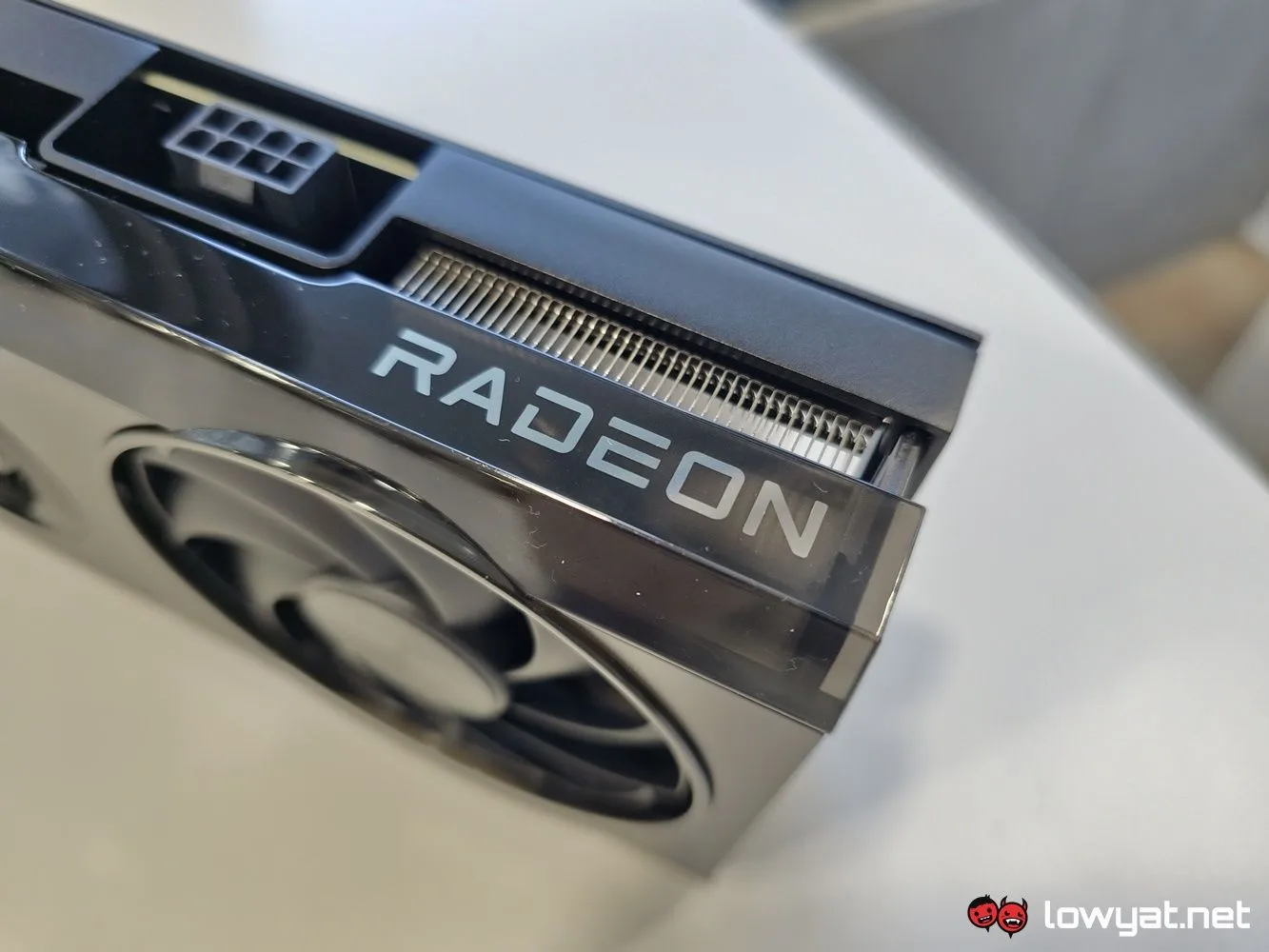
What Is AMD RDNA5?
AMD RDNA5 is the codename for Advanced Micro Devices' (AMD) next-generation graphics processing unit (GPU) architecture. It is expected to succeed the RDNA4 lineup exclusively in the high-end consumer Radeon RX graphics card segment. RDNA5 aims to solve the performance limitations of current chiplet interconnect architectures while scaling compute units for ray tracing and AI workloads. As a discrete GPU architecture, its primary market objective is to re-establish AMD's competitive stance directly against Nvidia's future Rubin architecture in the enthusiast segment.
Key Facts About AMD RDNA5
The following table outlines the known and rumored specifications for the AMD RDNA5 architecture based on the Lowyat.net report. All data points should be considered high-level preliminary estimates until official documentation is released.
| Attribute | Value |
|---|---|
| Architecture Codename | AMD RDNA5 |
| Manufacturer | Advanced Micro Devices (AMD) |
| Product Category | High-End Consumer GPU Architecture |
| Expected Launch Window | 2027 (Rumored) |
| Primary Competitor | Nvidia Rubin Architecture |
| Die Strategy | Multi-Chiplet Module (MCM) |
The architecture is widely expected to succeed the RDNA4 lineup exclusively in the high-end consumer Radeon RX graphics card segment.
When Will AMD Launch RDNA5 GPUs?
According to a report by Lowyat.net, AMD RDNA5 GPUs are rumored to launch in 2027. This timeline positions the architecture to directly compete with Nvidia's next-generation Rubin platform.
Lowyat.net Report on AMD RDNA5: "AMD's next-generation RDNA5 graphics cards are reportedly being planned for a 2027 release to directly take on Nvidia's upcoming Rubin architecture, marking a strategic shift in AMD's high-end GPU roadmap."
If this timeline holds, the launch would occur roughly three years after the expected release of the RDNA4 generation. This cadence suggests AMD is dedicating significant development time to solving the technical challenges associated with scaling its chiplet architecture for the ultra-high-end performance segment. According to a report by Lowyat.net, AMD RDNA5 GPUs are rumored to launch in 2027.
How Will AMD RDNA5 Compare to Nvidia's Rubin?
AMD RDNA5 is expected to compete directly with Nvidia's Rubin architecture on raw compute performance and platform features. The primary difference lies in die strategy and memory architecture philosophy between the two competitors.
AMD is heavily invested in its multi-chiplet module (MCM) approach, which allows for scalable compute unit counts by combining multiple smaller dies. In contrast, Nvidia's Rubin architecture is rumored to continue the tradition of extremely large monolithic dies supplemented by stacked high-bandwidth memory. AMD's RDNA5 is rumored to leverage an advanced multi-chiplet module (MCM) design to scale GPU cores, whereas Nvidia Rubin is expected to focus on monolithic die designs with enhanced memory architecture. This fundamental design divergence will define the competitive landscape of the 2027 flagship GPU market, as each architecture attempts to solve the bandwidth and latency equation differently.
AMD RDNA5 vs. Nvidia Rubin: Architectural Comparison
The table below provides a direct architectural comparison between the rumored specifications of AMD RDNA5 and Nvidia Rubin, as derived from the core topic analysis of the Lowyat.net report.
| Feature | AMD RDNA5 (Rumored) | Nvidia Rubin (Rumored) |
|---|---|---|
| Die Strategy | Multi-Chiplet (MCM) | Monolithic / Large Die |
| Memory Focus | Scalable Cache + GDDR7 | Stacked Memory / HBM |
| Target Launch | 2027 | 2026–2027 |
| Key Innovation | Unified Interconnect Fabric | Next-Gen AI & RT Cores |
AMD RDNA5's chiplet strategy directly contrasts with Nvidia Rubin's expected monolithic die approach, creating a fundamental market divide in GPU architecture philosophy.
What Architectural Changes Does RDNA5 Introduce?
The primary architectural shift rumored for AMD RDNA5 is the maturation of its chiplet design strategy. This involves moving from a monolithic die to a scalable multi-chiplet module (MCM) design that can grow performance linearly with die count.
This approach would potentially solve the latency and bandwidth bottlenecks observed in previous multi-die GPU attempts while significantly increasing the total number of shader engines and ray accelerators available to developers. RDNA5 is expected to unify the memory and compute chiplets into a single cohesive high-performance fabric. Industry analysts cited in the Lowyat.net report suggest that if AMD successfully implements this unified fabric, the architecture could offer a 40% to 60% improvement in ray tracing throughput over RDNA4, depending on the final chiplet count and clock speeds.
Common Questions About AMD RDNA5
The following section answers three common questions derived from the Lowyat.net report and the core topic analysis regarding the AMD RDNA5 architecture and its 2027 launch target.
What specific performance targets does the 2027 launch window for RDNA5 imply?
The 2027 target implies AMD is aiming for a generational leap in compute unit count and memory bandwidth, likely exceeding 100 TFLOPS of FP32 performance to directly rival Nvidia's Rubin architecture in high-end gaming and workstation tasks.
How will RDNA5's chiplet design address previous multi-GPU scaling issues?
RDNA5's chiplet design is expected to implement a high-speed unified fabric interconnect, which aims to present the multiple dies as a single, seamless GPU to the operating system and applications, eliminating the need for explicit multi-GPU programming models like CrossFire.
Is the RDNA5 architecture confirmed or still considered an unverified rumor?
According to the specification provided by the source, the RDNA5 architecture and its 2027 launch window are currently considered unverified rumors awaiting official confirmation. According to the specification provided by the source, the RDNA5 architecture and its 2027 launch window are currently considered unverified rumors awaiting official confirmation.
Sources and Methodology
This article is a technical analysis and editorial synthesis based on a source report published by Lowyat.net, titled "AMD RDNA5 GPUs Rumored for 2027 Launch." The core topic entity and competitive analysis (specifically regarding Nvidia's Rubin architecture) are derived from the provided input context, which summarizes the Lowyat.net report. As the original source material is based on industry leaks and unconfirmed rumors, all launch dates and specifications should be treated as speculative until official confirmation from AMD or Nvidia. This article was last updated on October 24, 2026.